How Miami Auto Shipping Services Simplify the Process of Moving Cars Across Florida and Throughout the United States
Moving a car from Miami to another Florida city or a distant state can require significant planning. A long-distance drive involves mileage, fuel, road time, lodging, traffic, weather, and coordination with other travel arrangements. For vehicle owners who prefer not to drive their cars across the country, auto transportation offers a practical alternative.
Miami auto shipping services help coordinate the many details involved in transporting vehicles, from arranging pickup and selecting a transportation method to preparing the car and planning delivery. Understanding the process can help owners make informed decisions and create a more organized vehicle transportation experience.
Understanding the Auto Shipping Process
Vehicle transportation typically involves several stages. The process begins when an owner provides details about the vehicle, pickup location, destination, preferred dates, and transportation requirements. After the shipment is arranged, the vehicle is prepared for pickup and inspected before being loaded onto the carrier.
The car then travels toward its destination according to the planned route and schedule. Once it reaches the delivery area, the vehicle is unloaded and inspected again. Each stage requires coordination between the owner and transportation provider.
Having a clear understanding of these steps helps customers prepare properly and know what to expect throughout the shipment.
Why Ship a Vehicle Instead of Driving It?
Driving a vehicle from Miami to another part of Florida may be manageable for some owners, but longer interstate trips can require several days of planning. Cross-country driving can add substantial mileage and may involve fuel, food, lodging, tolls, and other travel expenses.
Shipping the vehicle allows owners to travel separately while the car is transported by a carrier. This can be useful for interstate relocations, vehicle purchases, seasonal moves, family transitions, and business transportation needs.
It can also help owners avoid the physical fatigue associated with spending many hours behind the wheel.
Moving Cars Within Florida
Florida is a large state with significant distances between major cities and communities. A vehicle moving from Miami to destinations such as Orlando, Tampa, Jacksonville, Fort Myers, Tallahassee, or other areas may still require substantial driving time.
Auto transportation provides an alternative for owners who want their vehicles moved without personally completing the entire journey. The appropriate transportation arrangement depends on distance, timing, vehicle type, pickup location, and delivery requirements.
Florida transportation can also be useful for people relocating within the state or moving vehicles between residential and seasonal properties.
Cross-Country Vehicle Transportation
Moving a vehicle from Miami to another region of the United States introduces additional logistical considerations. A cross-country shipment may pass through several states and encounter different traffic patterns, weather conditions, road construction, and carrier schedules.
For this reason, vehicle owners should plan around a realistic delivery window rather than expecting an exact arrival hour. Transportation timelines can change when circumstances on the road affect the carrier's route.
Early planning gives owners more time to coordinate their vehicle shipment with moving dates, travel plans, employment schedules, or property access.
Choosing Between Open and Enclosed Transport
One of the main decisions in vehicle transportation is whether to use an open or enclosed carrier. Both options serve different transportation needs.
Open transport uses an open-air carrier that can transport several vehicles at once. It is commonly used for everyday cars, SUVs, and trucks and can be a practical option for many standard vehicles.
Enclosed transport places vehicles inside Miami car transport a covered carrier. This option may be considered for classic cars, collector vehicles, luxury automobiles, exotic vehicles, or other specialty cars where additional protection from outdoor exposure is preferred.
Owners should consider the vehicle's characteristics, route, budget, and desired protection when choosing between the two methods.
Door-to-Door Transportation
Door-to-door transportation can simplify the shipping process by arranging pickup and delivery near the requested addresses when carrier access allows. This can reduce the need for owners to make separate trips to transportation terminals.
However, large vehicle carriers require sufficient room to maneuver. Narrow residential streets, low bridges, restricted parking, heavy traffic, or other access limitations may prevent a carrier from reaching an exact address.
When direct access is not practical, a nearby accessible location can be arranged for pickup or delivery.
Preparing a Vehicle for Shipment
Vehicle preparation is an important part of the shipping process. Owners should generally remove personal belongings and unnecessary items from the passenger compartment and trunk before pickup.
Loose objects can move during transportation, while additional items may create weight or liability concerns depending on applicable policies. Customers should ask about personal belongings before placing anything inside the vehicle.
Owners should also document the vehicle's exterior condition with photographs before pickup. Images of the front, rear, sides, wheels, windows, and other visible areas can provide a useful personal record.
Documenting Existing Vehicle Condition
A condition inspection establishes a record of the vehicle before transportation begins. Existing scratches, dents, chips, or other visible marks should be identified in the inspection documentation.
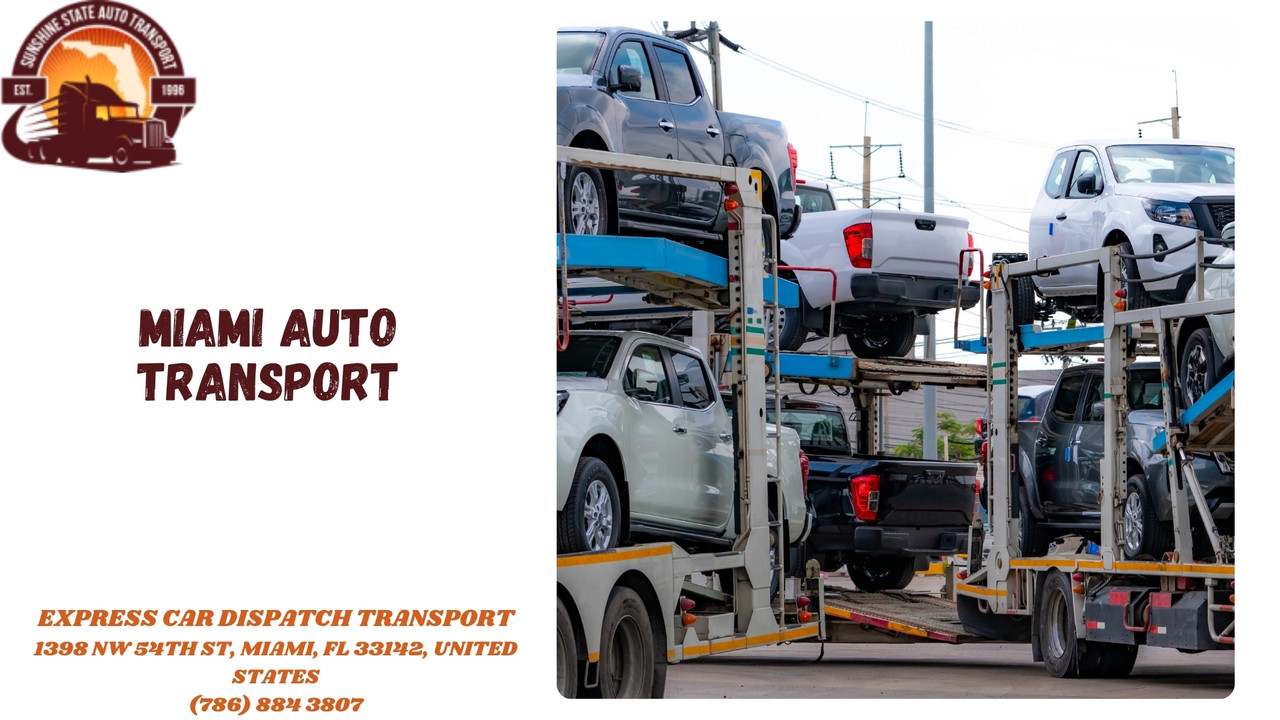
Vehicle owners should review the information carefully and compare it with their own photographs. Maintaining accurate documentation can make the delivery inspection more organized.
When the vehicle arrives at its destination, owners should inspect it again and compare its condition with the original records before completing the delivery process.
Handling Different Vehicle Types
Cars are not all transported in exactly the same way. Sedans, SUVs, pickup trucks, motorcycles, classic cars, luxury vehicles, modified automobiles, and specialty vehicles may have different requirements.
Vehicle owners should provide accurate information about the make, model, size, condition, and modifications of the vehicle. Details such as lowered suspension, oversized tires, aftermarket equipment, or unusual dimensions can affect loading arrangements.
Providing complete information early allows the transportation provider to prepare for the vehicle's specific needs.
Shipping Non-Running Vehicles
Some vehicles need transportation even though they cannot be driven. Cars with mechanical problems, damaged vehicles, project cars, and long-stored automobiles may require specialized loading procedures.
Owners should explain whether the vehicle starts, rolls, steers, and brakes before scheduling transportation. A non-running vehicle may require additional equipment for loading and unloading.
Early disclosure helps prevent unexpected equipment requirements and avoidable delays at pickup.
Planning Pickup Locations
Pickup planning is especially important in busy urban areas. A large auto carrier may require considerable space to approach the vehicle, load it, and safely leave the location.
Owners should consider street width, traffic, parking restrictions, overhead clearance, and turning space. If the exact address cannot accommodate the carrier, a nearby accessible location may be more appropriate.
Discussing these conditions before pickup can make the handoff more efficient.
Planning Delivery Locations
The delivery location should also be reviewed in advance. The carrier needs sufficient space to safely unload the vehicle, and the recipient should be available during the agreed delivery window.
If the destination street presents access challenges, an alternative meeting location may be arranged. Planning this before the vehicle arrives helps prevent last-minute confusion.
Scheduling Vehicle Transportation
Scheduling depends on several factors, including the route, vehicle type, carrier availability, preferred dates, and delivery requirements. Owners should begin the process early when they have a specific transportation timeframe.
Relocations, vehicle purchases, seasonal travel, employment changes, and business needs may all require coordination with a particular schedule.
Although customers can provide preferred dates, transportation timelines may be influenced by traffic, weather, carrier schedules, road conditions, and other logistical circumstances.
Understanding Transportation Windows
Vehicle shipping usually works within estimated pickup and delivery windows rather than exact appointment times. This is particularly relevant for long-distance transportation, where conditions can change during transit.
Weather events, construction, traffic congestion, accidents, road closures, and other unexpected circumstances may affect a carrier's route.
Building reasonable flexibility into travel and relocation plans can make it easier to accommodate these changes.
Communication During the Shipment
Clear communication helps keep vehicle transportation organized. Customers should provide accurate contact information and understand how they will receive important updates.
Changes to pickup timing, delivery access, travel plans, or contact information should be communicated as early as possible. Timely updates can help transportation providers adjust arrangements when necessary.
Miami auto shipping services can help coordinate the information exchanged during the different stages of transportation.
Moving Cars for Interstate Relocations
Interstate relocation is one of the common situations where vehicle transportation can be useful. A household moving from Miami to another state may already have furniture, utilities, housing arrangements, and travel plans to manage.
Shipping the vehicle separately can reduce the amount of driving required during the move. Owners can focus on traveling to the new destination while transportation arrangements handle the vehicle's journey.
Planning the vehicle shipment alongside the moving schedule can help ensure that transportation and arrival arrangements work together.
Shipping Recently Purchased Vehicles
Vehicle buyers increasingly purchase cars from sellers located outside their local area. Once the purchase is completed, transportation becomes an important part of getting the vehicle to its new owner.
Auto shipping allows buyers to arrange transportation without traveling to the seller's location and driving the vehicle home. Before scheduling pickup, buyers should confirm that the vehicle is available, accessible, and ready for carrier collection.
Accurate seller contact information and pickup instructions can make the handoff easier to coordinate.
Seasonal Vehicle Transportation
Some vehicle owners travel between different residences during the year and may prefer to have their cars transported rather than driving long distances repeatedly.
Seasonal transportation can be planned around departure and arrival dates. Owners should provide enough advance notice to coordinate pickup and delivery with their travel schedules.
This approach can reduce the need for extended road trips and simplify the movement of vehicles between locations.
Transporting Classic and Luxury Cars
Specialty vehicles may require additional planning because owners often have specific concerns about condition and handling. Enclosed transportation can be considered when additional protection from outdoor exposure is desired.
Owners should disclose any modifications or unusual characteristics that could affect loading. Low ground clearance, specialized wheels, custom bodywork, or other features may require additional attention.
Accurate information allows transportation arrangements to account for the vehicle's specific characteristics.
Managing Weather and Road Conditions
Vehicles transported across Florida and throughout the United States may encounter a variety of weather conditions. A shipment leaving Miami could eventually travel through areas experiencing heavy rain, storms, extreme heat, cold temperatures, or winter weather.
Road construction and traffic congestion can also affect transportation schedules. Carriers may need to adjust routes or timing when road conditions change.
Vehicle owners should understand that safe transportation can require schedule adjustments when circumstances outside the carrier's control affect the planned route.
Keeping Shipping Documents Organized
Good recordkeeping can make the transportation process easier to manage. Owners should keep transportation agreements, inspection records, pickup information, delivery details, photographs, and other relevant documents together.
Digital copies can be useful when customers are traveling or moving between locations. Organized records also provide a convenient reference if questions arise during or after transportation.
Questions to Ask Before Booking
Before arranging vehicle transportation, customers can ask about the shipping method, pickup and delivery process, estimated timeline, vehicle preparation requirements, inspection procedures, and communication process.
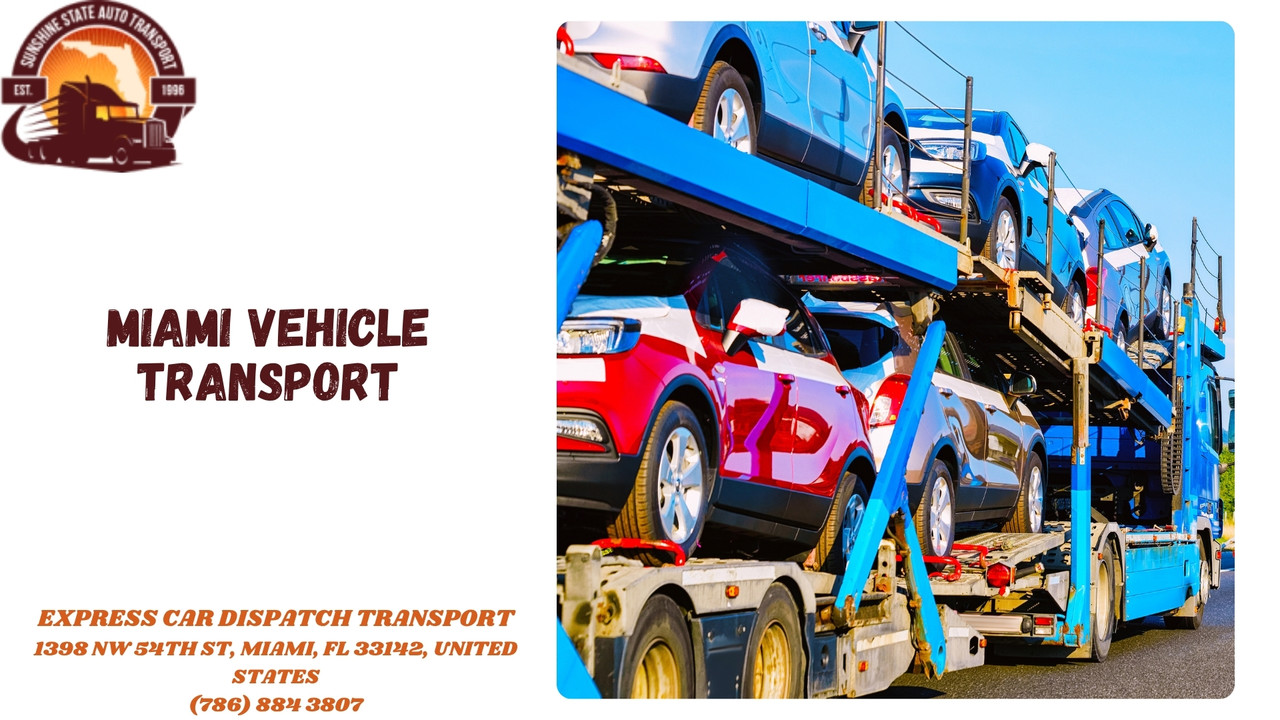
It is also helpful to clarify procedures for non-running vehicles, inaccessible streets, schedule changes, and specialty vehicles.
Understanding these details before booking can help vehicle owners make arrangements that fit their circumstances.
Creating a Vehicle Shipping Checklist
A checklist can help owners prepare for transportation. Important tasks may include confirming pickup and delivery addresses, selecting open or enclosed transport, removing personal belongings, documenting the vehicle, disclosing mechanical problems, and preparing necessary documents.
Owners should also confirm who will be available during pickup and delivery and identify alternate locations when direct carrier access is not possible.
Completing these tasks before pickup can reduce avoidable complications.
Benefits of Planning Ahead
Starting the transportation process early gives owners more time to compare options, prepare their vehicles, coordinate schedules, and resolve access concerns.
Early planning is particularly useful for cross-country shipments because the vehicle's transportation schedule may need to align with moving dates, work commitments, travel plans, or property access.
Advance preparation also provides greater flexibility if the carrier's schedule needs to change.
How Auto Shipping Simplifies Vehicle Relocation
Moving a car can become one of the more complicated parts of a long-distance relocation. Auto shipping separates the vehicle's journey from the owner's personal travel plans, allowing each part of the move to be managed independently.
Miami auto shipping services can coordinate pickup, transportation, and delivery while the customer focuses on other relocation responsibilities. This can be particularly helpful when multiple vehicles need to be moved or when the destination is several states away.
Final Thoughts
Moving a vehicle across Florida or throughout the United States requires thoughtful coordination, but the process can become easier when each stage is planned in advance. Choosing an appropriate transportation method, preparing the vehicle, documenting its condition, confirming accessible locations, and maintaining clear communication can help create a smoother experience.
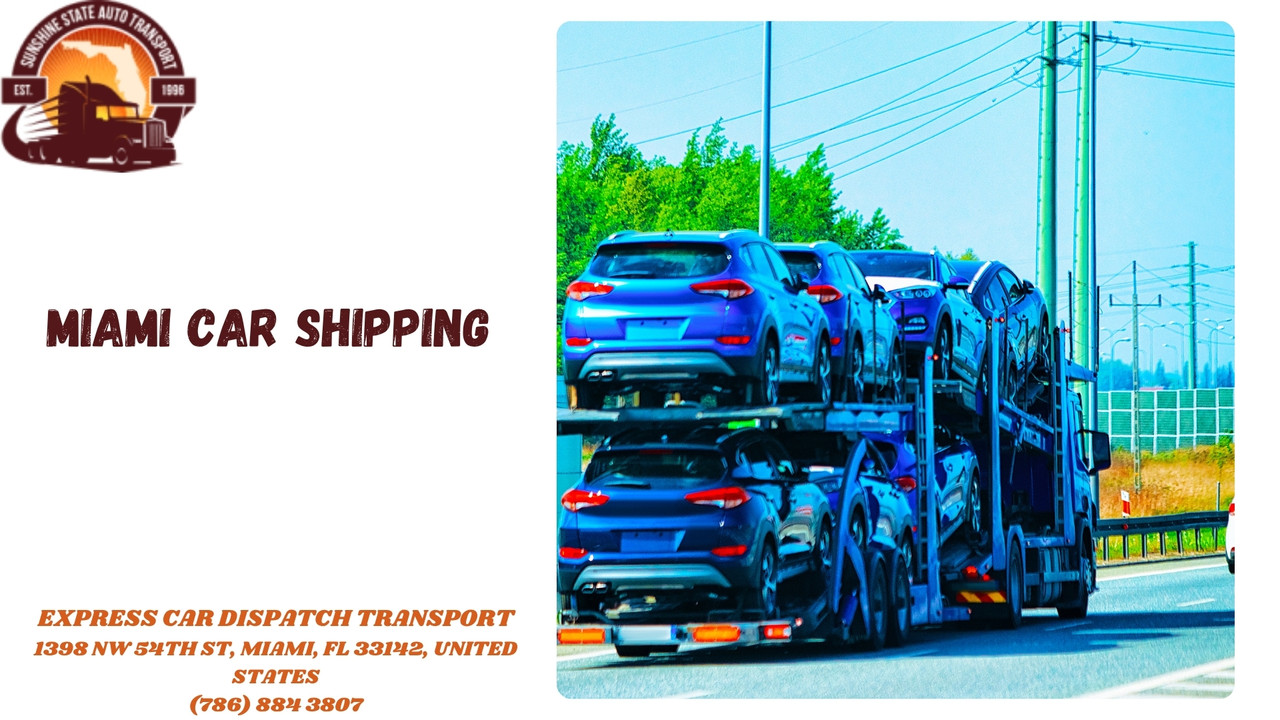
Miami auto shipping services provide a practical alternative to personally driving a vehicle over long distances. Whether the need involves an interstate relocation, vehicle purchase, seasonal move, business requirement, or specialty vehicle, transportation can be arranged around different circumstances.
Contact Us:
Express Car Dispatch Transport
1398 NW 54th St, Miami, FL 33142, United States
(786) 884 3807